
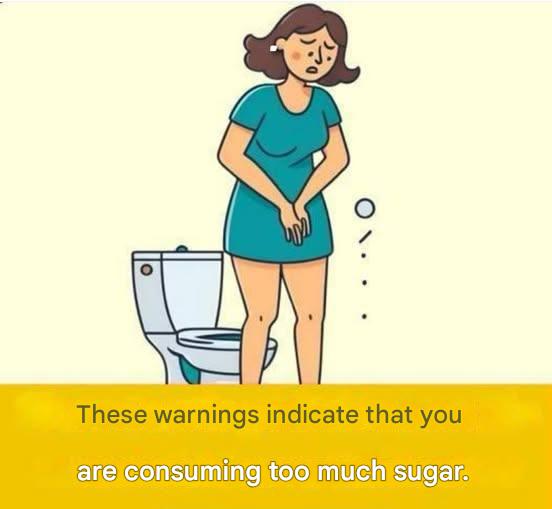
 10 Warning Signs You’re Eating Too Much Sugar
Sugar is naturally present in foods such as fruit and milk, but problems are more likely when the diet contains large amounts of added sugar from soft drinks, sweets, pastries, sweetened cereals, desserts, and heavily processed foods.
Eating too much added sugar does not always cause obvious symptoms right away. But over time, certain patterns may suggest that your overall intake is higher than your body is handling well.
These signs are not proof that sugar is the cause, because many can have other explanations. What matters most is the overall pattern of your diet and health.
You Feel Hungry Again Soon After Eating
Meals and snacks high in added sugar but low in protein, fiber, and healthy fats may not keep you full for very long.
You might notice that you:
feel hungry shortly after eating
crave another snack quickly
keep reaching for sweets throughout the day
have difficulty feeling satisfied
A more balanced meal containing protein, vegetables, whole grains, or other fiber-rich foods can help improve satiety.
You Experience Frequent Energy Crashes
Sugary foods can provide quick energy, but meals dominated by refined carbohydrates may be followed by a drop in energy later.
You may feel:
sleepy
sluggish
unfocused
irritable
unusually tired between meals
These symptoms can also come from poor sleep, dehydration, stress, anemia, or many other causes.
You Crave Sweets Constantly
The more often very sweet foods are part of your routine, the more normal that level of sweetness can begin to feel.
You may find yourself wanting:
dessert after every meal
sweet coffee several times a day
soft drinks instead of water
candy during work or television
sweet snacks even when you are not physically hungry
Reducing sweetness gradually can make less-sweet foods taste more satisfying over time.
Your Weight Is Increasing Without You Noticing Why
Added sugars can increase calorie intake quickly, especially in drinks.
Sugary beverages are particularly easy to consume without producing the same fullness as solid food.
Common sources include:
soda
sweetened iced tea
energy drinks
flavored coffee drinks
sweetened juice drinks
Weight gain has many possible causes, but frequent high-calorie sugary foods and drinks can contribute.
You’re Getting More Cavities
Sugar is strongly linked with tooth decay.
Bacteria in dental plaque use sugars and produce acids that attack tooth enamel.
Frequent exposure matters, so repeatedly sipping or snacking on sugary products throughout the day can be especially hard on teeth.
Helpful habits include:
brushing twice daily with fluoride toothpaste
cleaning between teeth
limiting frequent sugary snacks
drinking water after sweet foods
Your Triglycerides Are High
High intake of added sugars can contribute to elevated triglyceride levels in some people.
Triglycerides are a type of fat measured in blood tests.
High levels can also be influenced by:
alcohol
excess calories
obesity
diabetes
genetics
certain medications
A blood test is the only reliable way to know your triglyceride level.
You Feel Thirsty and Urinate Frequently
Persistent thirst and frequent urination can occur when blood sugar becomes significantly elevated.
This is important because it can be a symptom of diabetes.
Other possible signs include:
fatigue
blurred vision
unexplained weight loss
recurrent infections
These symptoms should not simply be blamed on “eating too much sugar.” If they persist, a healthcare professional can check your blood glucose.
Your Skin Seems to Break Out More Often
Diet is only one factor in acne, but high-glycemic eating patterns may worsen breakouts in some people.
Foods that rapidly raise blood glucose may influence hormones involved in oil production and inflammation.
Acne is also affected by:
genetics
hormones
skincare products
medications
stress
Reducing highly processed sugary foods may help some people, but it is not a guaranteed cure.
You Have Trouble Concentrating When You Haven’t Had Something Sweet
If your eating pattern relies heavily on sugary snacks, you may become accustomed to frequent quick sources of energy.
Long gaps between these foods may leave you feeling distracted, tired, or irritable.
A better strategy is to build meals around slower-digesting foods such as:
vegetables
whole grains
beans
eggs
fish
yogurt
nuts
This can provide more sustained energy.
Your Diet Is Crowding Out More Nutritious Foods
This is one of the clearest warning signs.
If sweets, sugary drinks, pastries, and desserts are taking up a large part of your daily intake, there may be less room for foods that provide:
protein
fiber
vitamins
minerals
healthy fats
The problem with too much added sugar is not only the sugar itself. It is also what those foods replace.
How Much Added Sugar Is Too Much?
Health organizations generally recommend limiting added sugars rather than trying to eliminate all sugar.
Naturally occurring sugars in:
fruit
vegetables
plain dairy products
come packaged with useful nutrients and are different from large amounts of added sugar in processed foods.
Added sugar may appear on labels under names such as:
sucrose
glucose syrup
fructose syrup
cane sugar
corn syrup
honey
agave syrup
dextrose
Checking labels can reveal sugar in foods that do not taste especially sweet.
Hidden Sources of Added Sugar
Some of the biggest sources are obvious, but others are easy to overlook.
These can include:
breakfast cereals
flavored yogurt
granola bars
ketchup
barbecue sauce
salad dressings
bottled smoothies
flavored oatmeal
coffee creamers
A product marketed as “low fat” or “natural” can still contain substantial added sugar.
The Easiest Place to Start: Sugary Drinks
If you want to reduce added sugar without completely changing your diet, beverages are often the easiest target.
Try replacing some:
soda
sweet tea
energy drinks
sweetened coffee
sugary juice drinks
with:
water
sparkling water
unsweetened tea
coffee with less added sugar
Even small changes can significantly reduce daily sugar intake.
Do You Need to Quit Sugar Completely?
No.
A healthy diet can still include dessert and sweet foods.
The goal is not perfection. It is to make highly sugary foods occasional rather than the foundation of the diet.
A realistic approach is usually easier to maintain than completely banning every sweet food.
What Happens When You Cut Back?
People who reduce high-sugar foods may notice over time that:
cravings become less intense
less-sweet foods taste better
energy feels more stable
meals become more filling
dental health may improve
The experience varies from person to person.
When to Talk With a Healthcare Professional
Seek medical advice if you develop persistent:
excessive thirst
frequent urination
unexplained weight loss
blurred vision
severe fatigue
recurrent infections
These symptoms may indicate abnormal blood glucose and should be properly tested rather than treated simply by avoiding sweets.
The Bottom Line
Possible signs that your diet contains too much added sugar include frequent cravings, energy crashes, rapid return of hunger, weight gain, dental cavities, high triglycerides, and a diet dominated by low-nutrient processed foods.
But symptoms such as thirst, frequent urination, or unexplained weight loss can signal a medical condition such as diabetes and deserve proper evaluation.
The most practical approach is to reduce added sugars, especially sugary drinks and heavily processed snacks, while building meals around protein, fiber-rich foods, vegetables, whole grains, and minimally processed foods.



Comments