
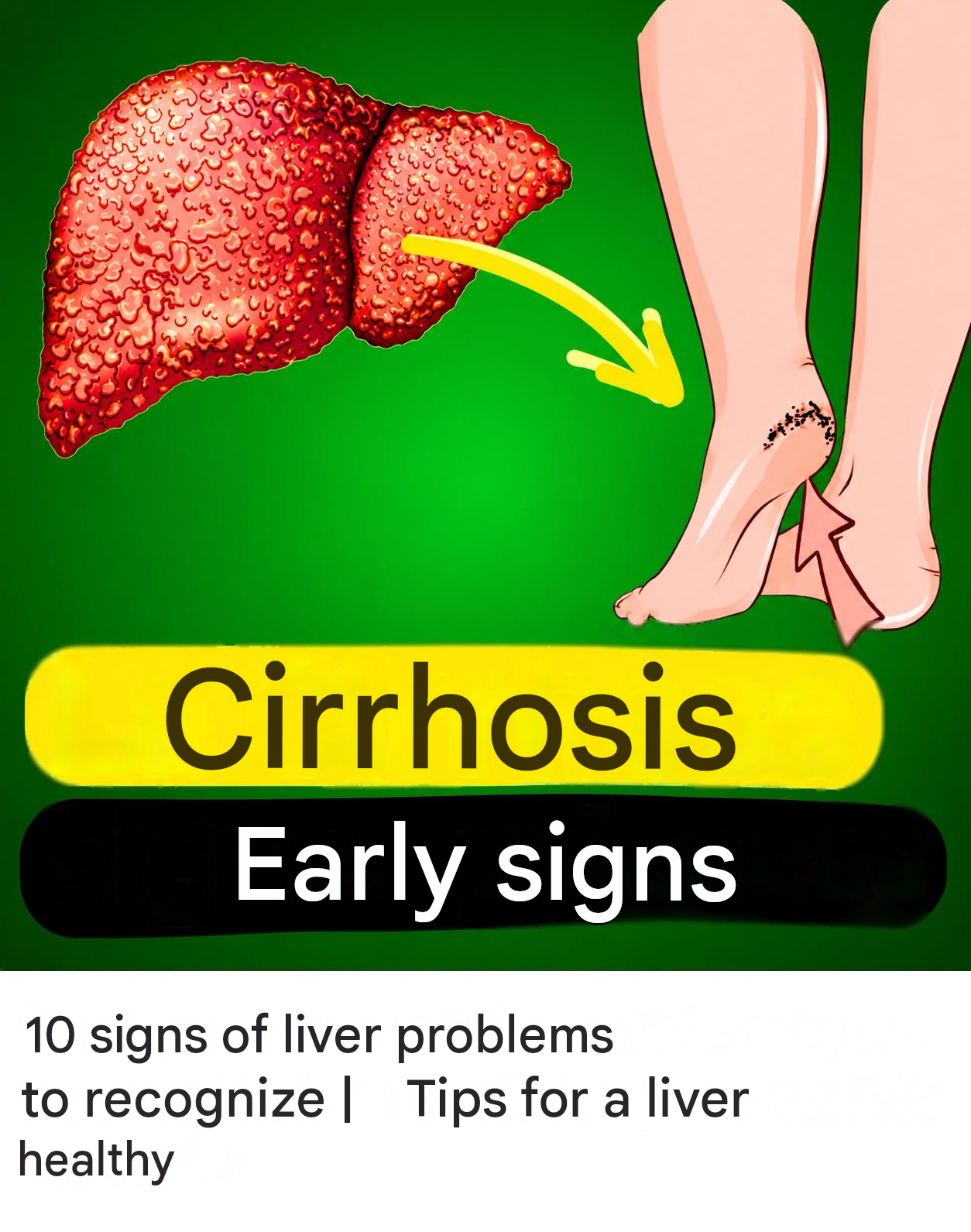
The liver is a vital organ responsible for over 500 essential functions that keep the body healthy. When the liver is experiencing problems, it sends signals that you need to learn to recognize to prevent serious complications such as cirrhosis. Here are the first 10 telltale signs of liver problems, followed by some simple tips and remedies to revitalize your liver.
Early signs of liver problems :
Appearance of spider veins: Red, spider-like lines may appear on your upper body. These are caused by the liver’s difficulty in eliminating
excess
estrogen, which leads to the veins expanding.
Jaundice: A yellowish tint to the skin and eyes is a clear sign of liver problems. This means the liver is having difficulty processing bilirubin.
Erythematous palms: Approximately 25% of people with severe liver problems may develop red palms, a condition due to poor elimination of estrogen by the liver.
Swollen belly: A swollen abdomen may indicate excessive fat accumulation in the liver, which can lead to scarring and more serious complications.
Gynecomastia: In men, breast enlargement
can occur
due to increased estrogen levels when the liver is not functioning properly.
Thickening and curving of the nails: Thickened and curved nails can signal liver problems. This condition can also be associated with heart, lung, or thyroid issues.
Xanthomas: White spots on the eyelids may indicate poor management of fats in the blood by the liver.
Edema: Swelling of the legs or feet can occur when the liver is not functioning properly, especially if an indentation is left when you press on the area.
Purpura: Purple
spots on the skin may be linked to a disease called leukocytoclastic vasculitis associated with hepatitis C, damaging the liver.
Dandruff and cracks on the feet: A deficiency in
vitamin B, normally stored by the liver, can cause dandruff and cracks on the skin of the feet when the liver is compromised.
Tips for a healthy liver Green vegetables and diet
Incorporating natural green vegetables such as kale, broccoli, Brussels sprouts, cabbage, and cauliflower into your diet can help soothe inflammation and promote liver repair.
Health
Digestive enzymes
Taking
digestive pills containing ox bile or purified bile salts before meals can prevent further scarring in the liver and help absorb essential nutrients like vitamins A and E.
Intermittent fasting
Practicing intermittent fasting, such as skipping meals or limiting your daily eating window, may encourage the creation of special cells that help repair liver tissue.
It is crucial to reduce your consumption of sugar and alcohol, the main culprits behind liver problems. Alcohol directly damages liver cells, while sugar can also cause similar
harm.Anatomy
Herbs beneficial for the
liver
Incorporating herbs like milk thistle , which is rich in silymarin, can strengthen liver cells and aid in their healing, particularly against damage caused by alcohol, medication, or sugar.
Vitamin E food supplements
Tocotrienols, a form of vitamin E, are particularly effective at reducing scar tissue in the body.
Additional elements
Consuming turmeric, garlic, artichoke, peppermint, and fresh ginger may also help maintain a healthy liver.
By following these tips, you’ll not only protect your liver from further damage, but you’ll also help
it recover from existing damage. Recognizing the early
signs of liver damage is a crucial first step toward a healthier lifestyle. By reducing liver inflammation, you may also experience potential weight loss and a decrease in scar tissue



Comments