
Truly understanding someone can take years.
You may know a person for a long time, share countless conversations, and still discover something unexpected about them when a difficult situation arises.
Sometimes, however, ordinary moments can offer valuable clues about a person’s character.
It is not always their appearance, achievements, or promises that tell you the most. Their everyday actions can reveal how they think about other people, how they manage their emotions, and how they respond when life does not go according to plan.
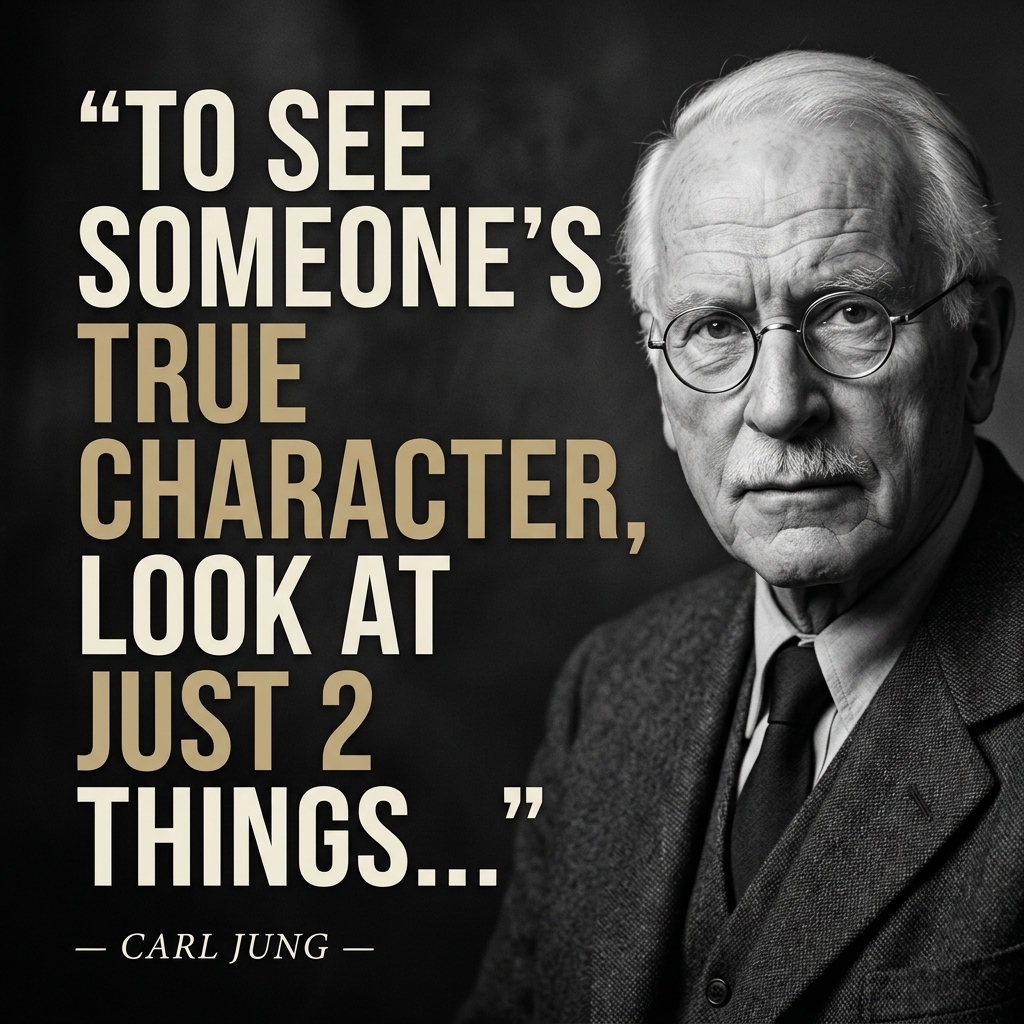
Two situations are particularly worth noticing.
How They Treat People Who Cannot Offer Them Anything
One revealing situation occurs when someone interacts with a person who has no obvious way to benefit them.
It could be a restaurant server, a cleaner, a cashier, a stranger asking for directions, or someone who is going through a difficult time.
Pay attention to the small details.
Does the person remain polite when a conversation offers them nothing in return?
Do they say thank you, listen patiently, and acknowledge the efforts of others?
Or does their attitude change depending on someone’s job title, financial position, or perceived social status?
These moments can offer useful clues about how a person views others.
Someone who treats people with respect regardless of their status may place genuine value on kindness and fairness.
By contrast, someone who repeatedly belittles service workers, dismisses strangers, or behaves courteously only around influential people may be showing a pattern worth noticing.
The important word is pattern.
A person having one bad day does not automatically reveal their entire character. Stress, exhaustion, and misunderstandings can affect anyone’s behavior.
What matters more is how someone behaves consistently and whether they recognize their mistakes when they hurt another person.
Respect is often easiest to observe when there is no obvious reward for showing it.
How They Behave When Things Do Not Go Their Way
The second situation appears when plans change, expectations are disappointed, or something becomes frustrating.
Perhaps a restaurant makes a mistake with an order. Maybe a colleague disagrees with them, traffic delays an important appointment, or a simple task takes longer than expected.
These ordinary frustrations can reveal how someone manages difficult emotions.
Do they explain the problem calmly and look for a solution?
Can they accept that mistakes happen?
Are they willing to listen to another person’s perspective, even when they disagree?
Or do they immediately blame others, insult people, or turn a minor inconvenience into a personal confrontation?
The way someone responds to frustration can provide clues about their emotional regulation, patience, and willingness to take responsibility.
A person who can disagree without humiliating others may be demonstrating an important relationship skill.
Someone who repeatedly responds to disappointment with intimidation or personal attacks may be showing a pattern that deserves attention.
Still, nobody handles every difficult moment perfectly.
A more useful question is what happens afterward.
Can the person calm down, acknowledge their behavior, apologize when appropriate, and try to handle the situation differently next time?
The ability to repair mistakes can tell you as much as the initial reaction.
Why These Two Behaviors Matter in Relationships
Both situations involve something deeper than politeness.
The first concerns how someone treats people when there is little immediate incentive to impress them.
The second concerns how someone responds when their comfort, expectations, or sense of control is challenged.
Together, these behaviors can help you understand how a person handles respect, responsibility, and disagreement.
They can be particularly useful when getting to know a new friend, dating someone, choosing a business partner, or deciding whether a relationship feels healthy.
For example, someone may be charming during a first meeting but consistently dismissive toward people they consider unimportant.
Another person may appear confident when everything goes smoothly but react aggressively whenever they receive criticism.
Observing behavior across different situations can help you recognize patterns that a person’s words alone might not reveal.
However, these observations are not a scientific personality test. They cannot establish someone’s entire character or tell you everything about their intentions.
They are simply pieces of information to consider alongside their actions over time.
Look for Consistency, Not Perfection
It is tempting to judge someone by a single dramatic moment.
But people are complicated. A normally patient person may become irritable after a sleepless night. Someone who seems distant may be dealing with a private difficulty.
That is why consistency matters.
Notice whether respect appears only when someone wants something.
Notice whether apologies are followed by genuine efforts to change.
Notice whether a person can accept responsibility without always finding someone else to blame.
Healthy relationships do not require people to be perfect. They require enough honesty, mutual respect, and accountability to work through ordinary mistakes.
When evaluating someone, give greater weight to repeated behavior than to isolated incidents or assumptions about what a person must be thinking.
What These Moments Can Teach You About Yourself
These two behaviors are not just ways to understand other people.
They can also be useful reminders to examine our own actions.
How do you speak to someone when you are in a hurry?
How do you react when another person makes a mistake?
Can you remain respectful when you disagree, or do frustration and pride take over?
Most people have moments they would handle differently if given another chance.
The goal is not to criticize every imperfect reaction. It is to become more aware of our habits and take responsibility for the way we affect others.
Small choices, repeated over time, help shape the quality of our relationships.
The Bottom Line
Two everyday situations can offer meaningful clues about a person’s character: how they treat people who cannot offer them an obvious benefit, and how they behave when things do not go their way.
Look for kindness without an audience, respect without a reward, and the ability to handle frustration without mistreating others.
But remember that character cannot be measured by two moments alone.
Pay attention to consistent actions, accountability, and how someone responds when they have the opportunity to make things right.
Often, understanding someone begins not with what they say about themselves, but with what they repeatedly do.






Comments