
Warning! If You Find This Insect in Your Home, Here’s What It Could Mean Have you ever noticed a dark, slender insect crawling along a wall, floor, bathroom, or around your home at night?
At first glance, it can look alarming—especially because of the small pincers at the end of its body.
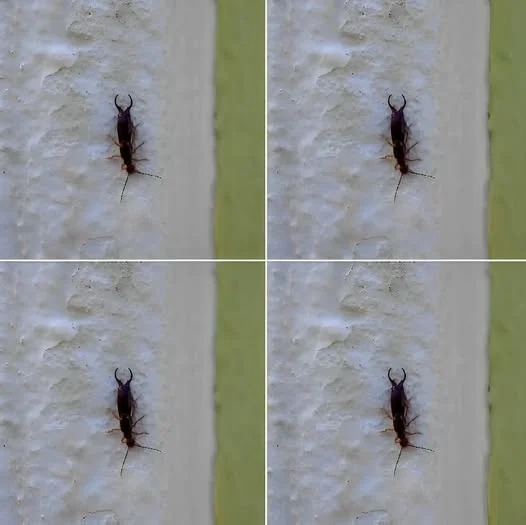
The insect in the photo appears to be an earwig, a common household insect known for the distinctive forceps-like appendages at the back of its body.
But does finding one in your home mean you have an infestation?
Not necessarily.
What Is an Earwig? Earwigs are small insects with elongated bodies and noticeable pincers, called cerci, at the rear.
They are generally nocturnal, meaning they are most active at night. During the day, they often hide in dark, cool, and damp places.
They can sometimes enter homes through cracks, gaps around doors and windows, or other openings.
Why Are Earwigs Coming Into Your Home? If you’re seeing earwigs indoors, there may be conditions around the property that are attracting them.
Common factors include:
Moisture or damp areas Leaking pipes or faucets Damp basements or bathrooms Wet leaves and vegetation close to the house Cracks and gaps around doors or windows Outdoor lighting that attracts insects they feed on Earwigs are particularly associated with damp environments, so reducing unnecessary moisture can make your home less attractive to them.
Are Earwigs Dangerous? Despite their intimidating appearance, earwigs are generally not considered dangerous to people.
Their pincers can look frightening, but they don’t have venomous stingers. They may use their forceps for defense, but they generally prefer to hide or escape rather than interact with humans.
Finding an earwig indoors is therefore not automatically a reason to panic.
What Should You Do If You Find One? If you find an occasional earwig inside, you can simply remove it and release it outdoors.
Then check the area where you found it.
Look for:
Sources of moisture Leaking plumbing Gaps beneath doors Cracks around windows Damp materials or clutter Vegetation directly against the exterior walls Keeping indoor areas dry and reducing possible entry points can help prevent more from getting inside.
How to Keep Earwigs Away A few simple household measures can make your home less attractive to these insects.
Reduce Moisture Fix leaks and avoid leaving damp areas unattended.
Make sure bathrooms and other humid areas have adequate ventilation.
Seal Entry Points Check around doors, windows, pipes, and other openings for gaps.
Weather stripping and appropriate caulking can help reduce insect entry.
Keep Outdoor Areas Tidy Remove piles of damp leaves, excess vegetation, and other organic material close to the house.
Keeping the area immediately around your home relatively dry and clear can reduce places where earwigs hide.
Check Indoor Plants and Stored Items Earwigs can occasionally be brought indoors accidentally with plants, gardening materials, or objects that have been left outside.
Check these items before bringing them inside.
When Should You Be Concerned? Seeing one earwig occasionally is usually not a major concern.
However, if you’re finding large numbers of them repeatedly, it may be worth looking for an underlying moisture problem or possible entry point.
If you cannot determine where they are coming from, a qualified pest-control professional can inspect the property and identify potential sources.
One Important Myth You may have heard the old story that earwigs crawl into people’s ears while they sleep.
Despite the insect’s common name, there is no good evidence that earwigs specifically seek out human ears.
The name comes from an old folklore association rather than a normal behavior of the insect.
The Bottom Line If you spot an insect like the one shown in the photo, don’t panic.
Its distinctive pincers can make it look much more dangerous than it actually is. In many cases, finding an earwig indoors simply means it has found a suitable way inside—often through a damp area or small opening.
Remove the insect, check for moisture, seal possible entry points, and keep the areas around your home clean and dry.
And if you’re seeing them regularly, that’s a good reason to investigate why they’re getting inside rather than simply removing each one.






Comments