
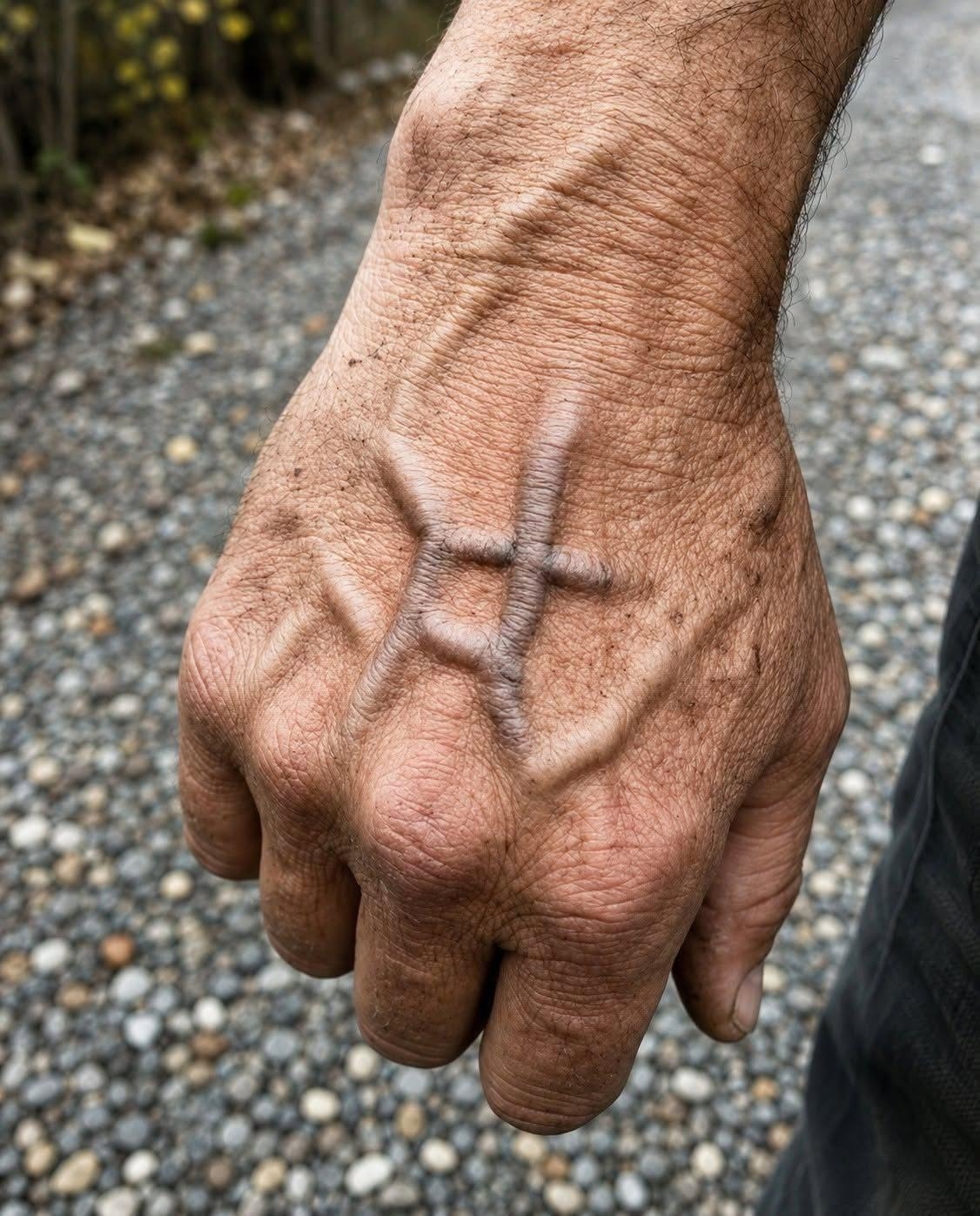
If You Have Visible Veins, It Could Mean This — What Does It Really Mean?
Have you ever noticed the veins on your hands or arms becoming more visible and wondered whether it could be a sign of a health problem?
Visible veins can look alarming, especially when they appear more prominent than they used to. But in many cases, this is simply a normal physical characteristic caused by factors such as age, genetics, body fat, exercise, and temperature.
One common claim online suggests that visible veins in the hands are connected to kidney problems. However, visible veins alone are not considered a reliable sign of kidney disease. Understanding the difference between a normal physical feature and a genuine medical symptom can help prevent unnecessary worry.
Why Do Veins Become More Visible?
Aging and changes in the skin
As we age, our skin naturally becomes thinner and loses some of its elasticity. Collagen production decreases, and the layer of fat beneath the skin may also become thinner.
When this happens, structures underneath the skin become easier to see. Superficial veins can therefore appear more prominent than they did when you were younger.
This change is generally a normal consequence of aging and does not automatically indicate illness.
Genetics and body composition
Genetics also plays an important role.
Some people naturally have thinner or more translucent skin and veins that sit closer to the surface. Others have a lower percentage of body fat, meaning there is less tissue covering the veins.
This is particularly noticeable in people who exercise regularly or have an athletic build.
Exercise and physical activity
Veins can become temporarily more visible during or after physical activity.
When you exercise, blood flow increases to the muscles, and blood vessels can expand. This can make veins appear larger and more pronounced.
The same thing can happen after repetitive manual work involving the hands and arms. In many cases, the veins become less noticeable once the body returns to its normal resting state.
Heat and temperature
Temperature can also influence the appearance of your veins.
In warm conditions, superficial blood vessels expand as the body works to release heat through the skin. This can make veins on the hands and arms stand out more clearly.
So if your veins look more prominent after exercising, working outside, or spending time somewhere hot, the change may simply be a normal response of your circulatory system.
Are Visible Veins a Sign of Kidney Problems?
This is where many online claims become misleading.
There is no solid scientific evidence that visible veins in the hands, by themselves, indicate kidney failure. The appearance of your veins cannot be used as a reliable test of kidney function.
The kidneys perform several essential functions, including removing waste from the blood and helping regulate fluid and electrolyte balance.
When kidney function is significantly impaired, the body may retain excess fluid. One possible result is edema, or swelling, particularly around the ankles, feet, legs, or sometimes the area around the eyes.
That is very different from simply having visible veins.
What Kidney Problems Can Actually Cause?
Kidney disease can sometimes develop without obvious symptoms during its early stages. When symptoms do appear, they can involve the body more generally rather than simply changing the appearance of the veins in your hands.
Possible signs include:
Persistent swelling in the feet, ankles, or around the eyes
Changes in urination
Persistent foamy urine
Unexplained or persistent fatigue
Nausea or reduced appetite
High blood pressure
Shortness of breath in some cases
These symptoms are not specific to kidney disease and can have other causes. Proper testing is therefore important rather than attempting to diagnose the problem from one physical characteristic.
Visible Veins vs. Genuine Warning Signs
The difference between a physical feature and a medical symptom is important.
If your veins have always been visible and there is no pain, swelling, inflammation, or other unusual change, this may simply be part of your natural anatomy.
However, if a vein suddenly becomes painful, red, warm, swollen, or unusually hard, the situation is different. Such changes may indicate a local vascular or inflammatory problem and should be medically evaluated.
Similarly, significant swelling affecting one hand or limb deserves attention, particularly when accompanied by pain or changes in skin color.
What About Hydration?
Hydration can influence how the skin and blood vessels look, but it should not be used as a way to diagnose kidney health.
Dehydration can affect the skin and circulating blood volume, while adequate hydration supports normal body function and healthy skin.
However, drinking more water simply because your veins look visible is not a medical treatment for kidney disease.
The appearance of your veins should always be considered alongside other symptoms and circumstances rather than interpreted on its own.
The Special Case of Dialysis Patients
There is one situation in which someone with advanced kidney disease may have particularly prominent veins in the arm.
Patients receiving hemodialysis may have an arteriovenous fistula, a surgically created connection between an artery and a vein that provides vascular access for dialysis treatment.
Because blood flow through the vein is increased, the vessel can become larger and much more visible.
This is an important distinction: the prominent vein is the result of a specific medical procedure. It does not mean that naturally visible veins in a healthy person’s hands are a sign that they need dialysis.
Which Signs Should You Pay Attention To?
Rather than focusing only on visible veins, pay attention to changes that persist or occur together.
Changes in urine
Significant changes in how often you urinate or persistent changes in the appearance of your urine may deserve medical evaluation.
Persistent foamy urine can sometimes be associated with protein in the urine and should not simply be dismissed if it continues.
Persistent swelling
Swelling around the ankles, feet, legs, or eyes can be associated with fluid retention and has many possible causes.
If swelling is persistent or unexplained, a healthcare professional can determine what may be causing it.
Ongoing fatigue or nausea
Persistent fatigue, nausea, or loss of appetite can occur for many different reasons. They are not proof of kidney disease, but unexplained symptoms that continue should be discussed with a healthcare professional.
Blood pressure changes
Kidney health and blood pressure are closely connected. High blood pressure can contribute to kidney damage, while kidney problems can also affect blood pressure.
For this reason, monitoring blood pressure is much more useful for assessing health than judging kidney function from the appearance of your veins.
How Do Doctors Check Kidney Health?
A visual examination of your hands cannot determine whether your kidneys are functioning properly.
When kidney disease is suspected, healthcare professionals can use blood and urine tests to evaluate kidney function.
These tests provide objective information that cannot be obtained simply by looking at the skin or veins.
A clinical evaluation may also consider your medical history, symptoms, blood pressure, medications, and other risk factors.
This is why self-diagnosing from a viral social-media post can be misleading.
When Should You Seek Medical Attention?
Visible veins without other symptoms are often harmless. But medical attention is appropriate when you experience unusual or persistent changes such as:
Painful or tender veins
Redness or warmth around a vein
Sudden or significant swelling
Hard areas along the path of a vein
Major changes in skin color
Persistent swelling in the legs or around the eyes
Significant changes in urination
Persistent foamy urine
Unexplained fatigue or shortness of breath
These symptoms do not automatically mean that you have kidney disease. They simply provide a reason to have the situation properly evaluated.
The Bottom Line
Having visible veins does not automatically mean something is wrong with your kidneys.
For most people, prominent veins are explained by ordinary factors such as genetics, aging, low body fat, physical activity, or temperature.
The important distinction is between a normal anatomical feature and a new change accompanied by symptoms such as pain, swelling, inflammation, or changes in urination.
If you are concerned about your kidney health, the reliable approach is a professional evaluation and appropriate blood and urine testing—not simply examining the veins on your hands.
Your veins may be more visible than someone else’s, but that alone does not tell you whether your kidneys are healthy.






Comments